나이 Age & hierarchy
Who is older decides how people talk, sit, pour and pay.
Words · 체면
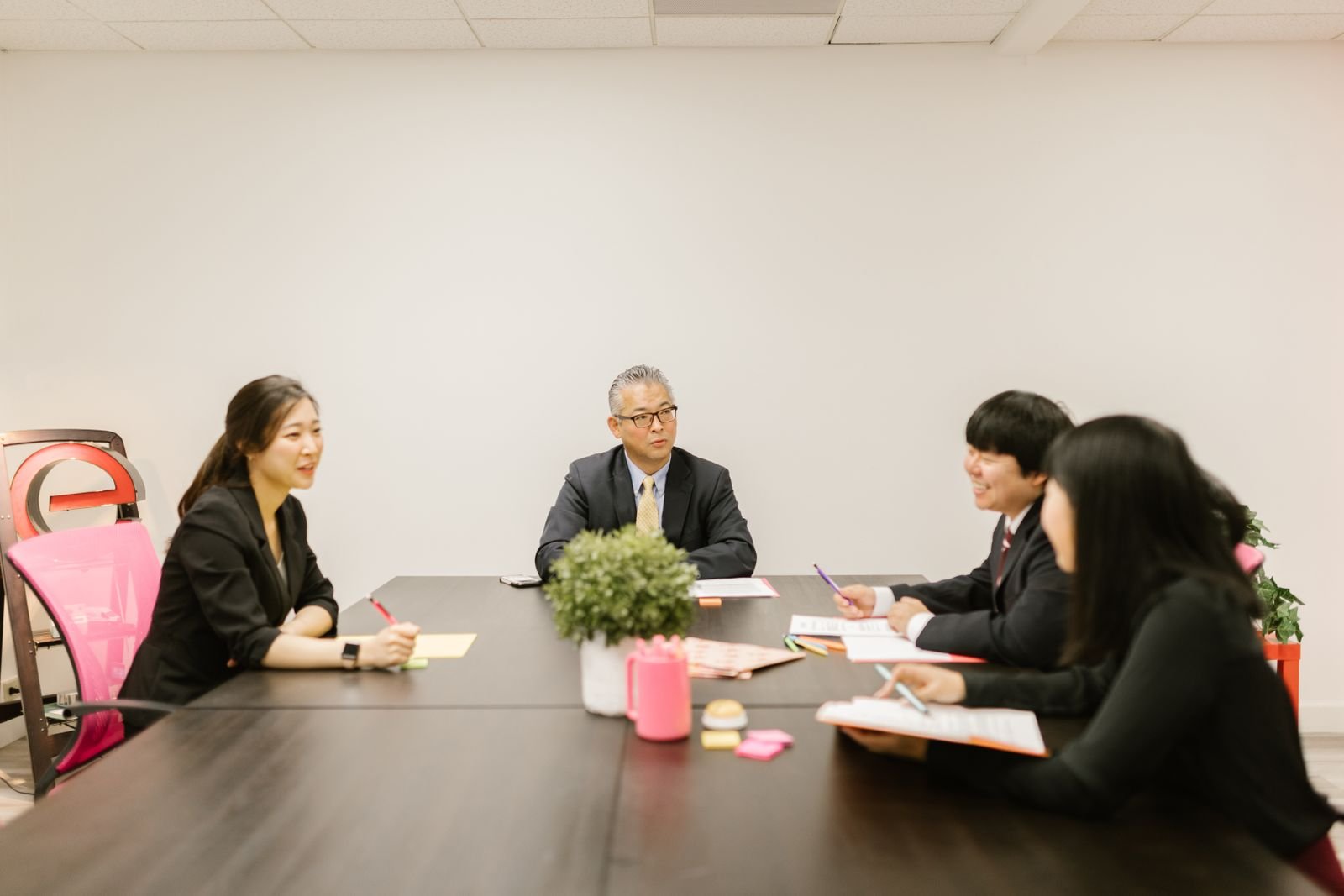
Chemyeon (체면): why saving face can make a Korean apology so complicated
What 체면 means, why Koreans spend money and energy to keep it, how it shapes criticism at work, gifts and weddings, and how to apologise to a Korean (or correct one) without making anyone lose face.
Work · 칼퇴
칼퇴: leaving work on time in Korea, the 52-hour week and the MZ generation
What 칼퇴 (leaving exactly on time) means, the old rule of never leaving before the boss, how 야근 culture grew, the 52-hour cap, the 2023 '69-hour week' backlash, quiet quitting, the AirPods debate, and the 4.5-day week pilots.

Work · 꼰대
Kkondae (꼰대): the Korean boss who won't stop lecturing
What 꼰대 means, where the word came from, why 'Latte is horse' is a joke every Korean office understands, the rise of the 'young kkondae', and how to deal with one (or avoid becoming one).

Work · 비즈니스 매너
Korean business etiquette for your first meeting: cards, bows, seats and the dinner after
How to exchange business cards the Korean way, who to bow to and what to call them, where to sit (and stand in the elevator), how to read a polite Korean 'maybe', what happens at the dinner afterwards, and the anti-graft law that caps meals and gifts.

Work · 회식
회식: the Korean team dinner you 'can' skip (but should you?)
What a Korean 회식 (team dinner) is, who pays, how the rounds work, the boss's toast and the youngest's jobs, what 'optional' really means, how the law and a new generation have changed it, and how to leave early without making it weird.

Friends & Social Life · 군대
Korean military service explained: who serves, how long, and why it matters so much to Korean men
Why almost every Korean man spends 18 to 21 months in uniform, what 군필 and 미필 mean, why 'army stories' are a national running joke, how the BTS exemption debate split the country, and what to say (and not say) to a Korean friend, boyfriend or coworker about it.
Work · 점심시간
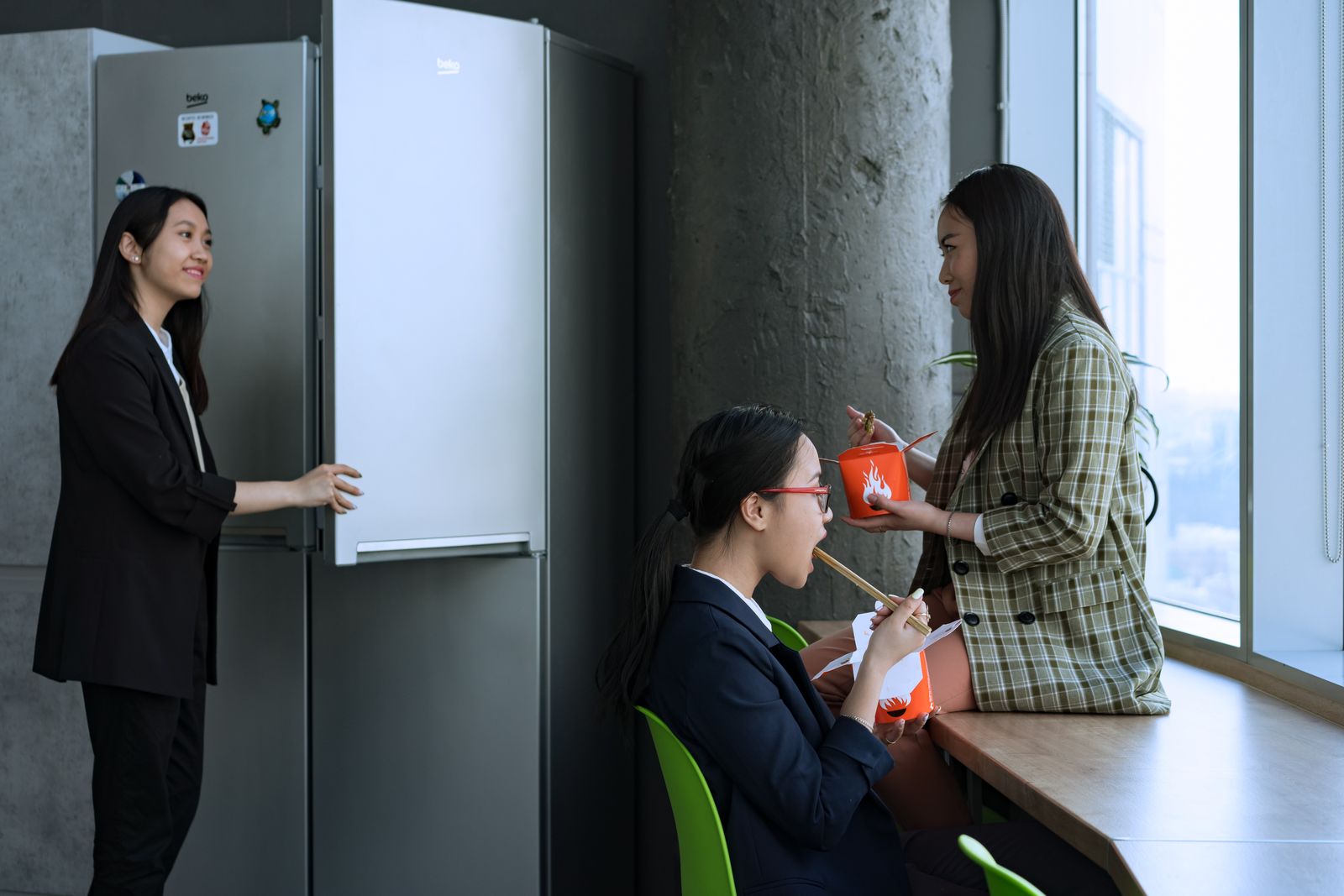
Your first Korean office lunch: who sits where, who orders, who pays (and who sets the spoons)
The 11:58 elevator rush, the team that eats as one, '저도 같은 걸로' ('I'll have the same'), the junior who sets the spoons, who pays, the coffee after, and why almost half of Korean office workers now sometimes eat alone.

Food & Table · 식사 예절
Who picks up the spoon first: Korean table manners, from rice bowls to the shared stew
Why the eldest eats first, why Koreans leave the rice bowl on the table, what the spoon and chopsticks are each for, why you never stand a spoon in rice, and how COVID changed the shared stew. A friendly guide to eating at a Korean table.

Friends & Social Life · 먼저 일어나보겠습니다
먼저 일어나보겠습니다: how to leave a Korean gathering early without making it awkward
Why leaving a Korean dinner or drinking night early feels so loaded, when slipping out quietly works (and when it really doesn't), the excuses nobody questions, the exact phrases, who to say goodbye to first, settling your share, the last train as a sacred exit, and the text you send afterwards.

Dating & Marriage · 첫인사
Meeting your Korean partner's parents for the first time: the complete survival guide
What it means when a Korean partner says 'my parents want to meet you', what to bring, what to wear, what to call them, the questions they will ask, how to survive the meal, and the follow-up text that seals it.

Public & Everyday Life · 온돌
Shoes off, floors warm: what ondol heating did to Korean manners
Why Koreans take their shoes off at the door, why the warmest spot on the floor goes to grandma, why bathrooms come with their own slippers, and why lying on a burning-hot floor counts as relaxing. A friendly guide to ondol, Korea's heated floor, and the manners it built.

Friends & Social Life · 호칭
Oppa, unnie, hyung, noona: why Koreans call friends 'big brother' and 'big sister'
Who says oppa, unnie, hyung and noona, why Koreans use family words for friends, coworkers and strangers, when oppa turns flirty, why the restaurant auntie is 이모 and every shopkeeper is 사장님, and why 아줌마 can start a fight.

Public & Everyday Life · 지하철 예절
Seoul subway manners: why it feels so crowded, and what locals actually find rude
Rush-hour congestion numbers, the pink pregnancy seats and the seats for elders, free rides at 65, phone calls, backpacks, eating, the escalator debate and the transfer jingle. A friendly guide to riding the Seoul subway like a local.
Friends & Social Life · 존댓말
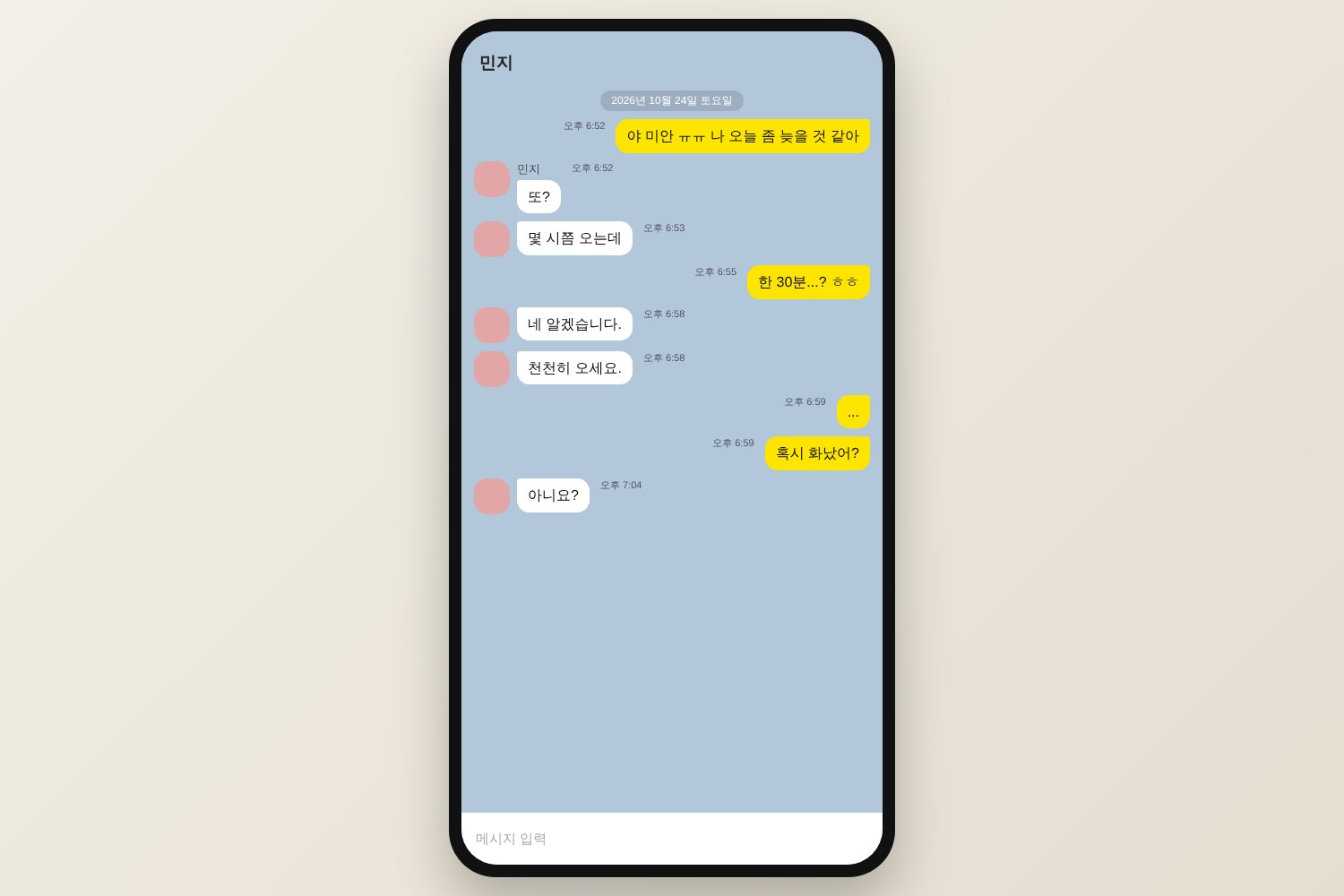
Why did my Korean friend suddenly switch to 존댓말? How to read the polite-speech plot twist
When a Korean friend or partner who speaks 반말 with you suddenly goes polite, it can mean anger, sarcasm, a joke, a boss or parent in the room, a formal setting or just a texting habit. Here's how to tell which one, and what to say back.

Words · 수고하셨습니다
수고하셨습니다: the phrase that ends every Korean workday
What 수고하셨습니다 literally means, when Koreans say it (leaving work, after a meeting, to a taxi driver, after an exam), why some people think juniors shouldn't say it to their boss, what to say instead, and why English has no match.

School · 선배 후배
선배 and 후배: the Korean school-year hierarchy that lasts for life
Why a 25-year-old can be a 20-year-old's junior, what '몇 학번이세요?' really asks, who buys lunch, what juniors owe in return, how the senior-junior bond follows Koreans into offices and alumni networks, and how a new generation is quietly rewriting the rules.

Friends & Social Life · 반말
When is it OK to speak 반말? The unwritten rules of dropping formality
Who gets to say 'let's drop the formal speech', why same-age friends switch in seconds, why ordering coffee in 반말 is a small act of 갑질, why a sudden return to polite speech is a cold signal, and how Korea's offices are rewriting the rules.

Dating & Marriage · 연애
Dating a Korean boyfriend: the unwritten rules (and the K-drama myths)
Why he walks you to your door and texts 'did you get home?', the confession, nonstop KakaoTalk, who pays, 'oppa', the army, his parents and the drama clichés. What dating a Korean man is often like, why, and what's changing.

Dating & Marriage · 연애
Dating a Korean girlfriend: the unwritten rules (and the ones you can ignore)
'Did you eat?', '서운해', '아무거나', 100 days, couple photos, who pays, 'oppa', her friends' verdict and her parents. The Korean dating habits worth knowing, why they exist, and how to talk about them without stereotypes.

Food & Table · 술자리
Turn your head, use two hands: Korean drinking etiquette, ranked by how much it matters
Why you don't pour your own soju, why the youngest turns away to drink, what 'one shot' really means, where the rules come from, how fast Korea's drinking habits are changing, and how to say no to a drink without offending anyone.

Food & Table · 반찬 더 주세요
Free side dishes, self-serve water and who sets the spoons: Korean restaurant culture explained
Why banchan refills are free, why you pour your own water, why the youngest lays out spoons and chopsticks, what the table bell is for, why some places won't seat you alone, how to call staff, and how paying (and not tipping) works at a Korean restaurant.

Words · 눈치
Nunchi: the Korean sixth sense, explained in six everyday scenes
Nunchi (눈치) is the skill of reading a room before anyone speaks. What it means, the phrases built around it, six everyday scenes where you'll need it in Korea, why Korea runs on it, what the research says, its stressful side, and how to build your own.

Friends & Social Life · 나이
Why Koreans ask your age before your name (and what they do with the answer)
It isn't nosiness. Knowing who is older helps Koreans decide how to talk to you. The hidden grammar of a first meeting, the 'fast birth year' headache, the tteokguk that makes you a year older, and what changed when Korea dropped 'Korean age' in 2023.