말 · Area of life
Words
Words Koreans live by: what people say, what they mean, and why English has no match.
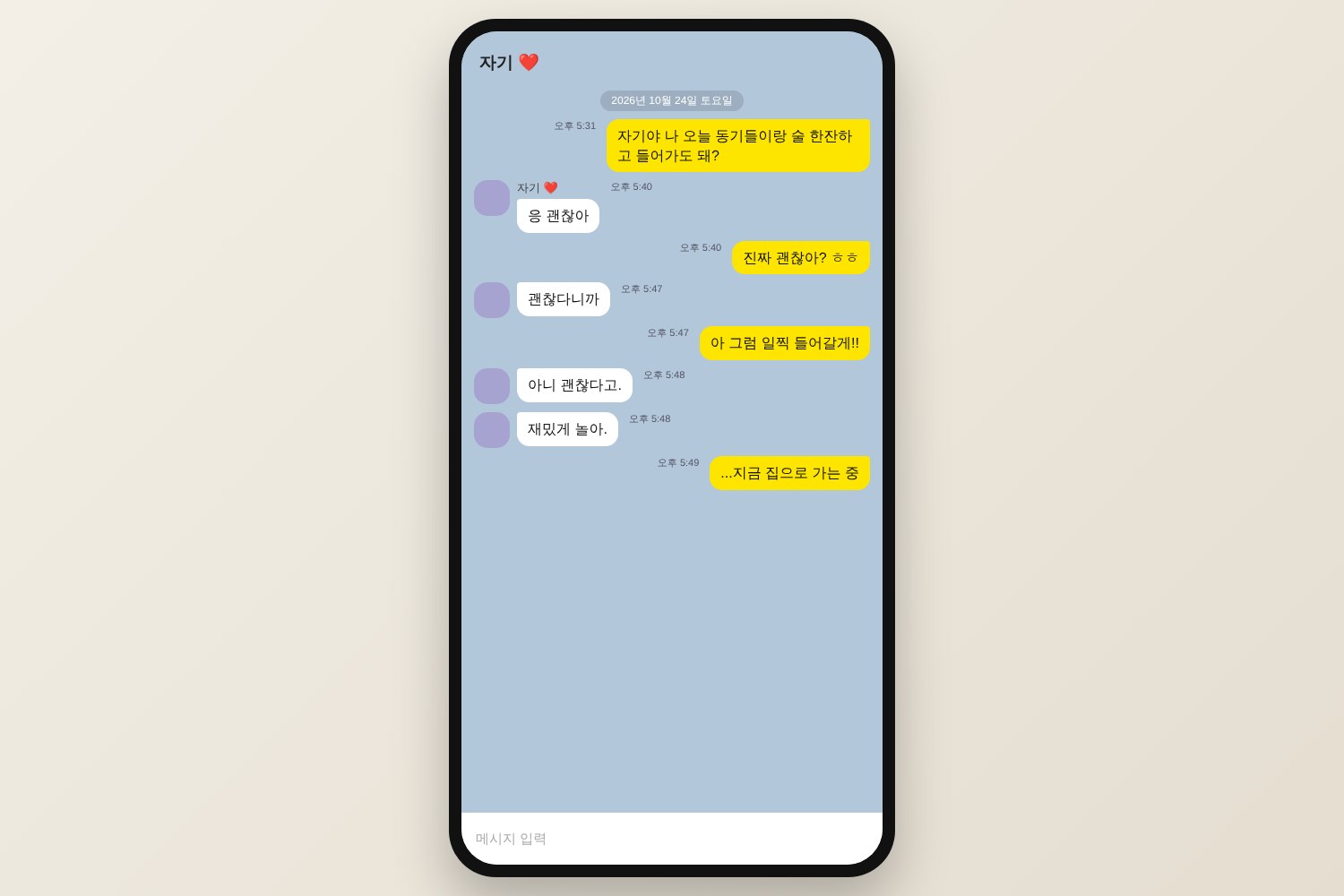
괜찮아요
괜찮아요: the most confusing 'it's fine' in Korean
No thanks. I'm okay. Don't worry about it. Please offer again. Not fine at all. How one Korean word covers every one of these, how tone and context tell them apart, what 괜찮아? means between friends, and what to say back.

수고하셨습니다
수고하셨습니다: the phrase that ends every Korean workday
What 수고하셨습니다 literally means, when Koreans say it (leaving work, after a meeting, to a taxi driver, after an exam), why some people think juniors shouldn't say it to their boss, what to say instead, and why English has no match.

체면
Chemyeon (체면): why saving face can make a Korean apology so complicated
What 체면 means, why Koreans spend money and energy to keep it, how it shapes criticism at work, gifts and weddings, and how to apologise to a Korean (or correct one) without making anyone lose face.
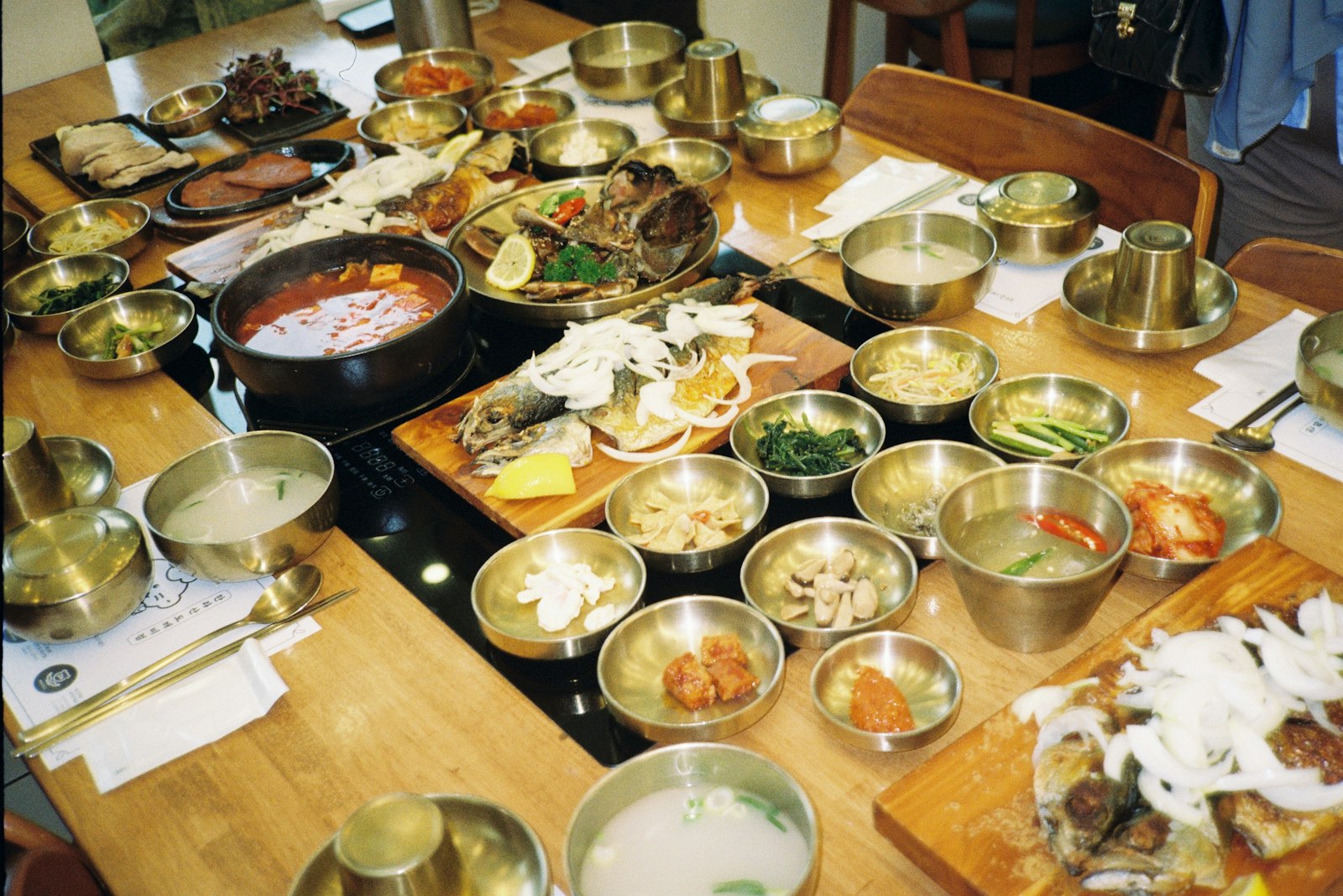
정
Jeong: the sticky Korean feeling English has no word for
What jeong (정) is, why Koreans say they share 'hateful jeong and lovely jeong', how it shows up in extra side dishes, market freebies, Choco Pies and neighbors' Tupperware, how it builds over time, and how a foreigner can earn it (and lose it).

눈치
Nunchi: the Korean sixth sense, explained in six everyday scenes
Nunchi (눈치) is the skill of reading a room before anyone speaks. What it means, the phrases built around it, six everyday scenes where you'll need it in Korea, why Korea runs on it, what the research says, its stressful side, and how to build your own.