친구 · Area of life
Friends & Social Life
Age, speech levels, nights out and the rules of making Korean friends.


호칭
Oppa, unnie, hyung, noona: why Koreans call friends 'big brother' and 'big sister'
Who says oppa, unnie, hyung and noona, why Koreans use family words for friends, coworkers and strangers, when oppa turns flirty, why the restaurant auntie is 이모 and every shopkeeper is 사장님, and why 아줌마 can start a fight.
존댓말
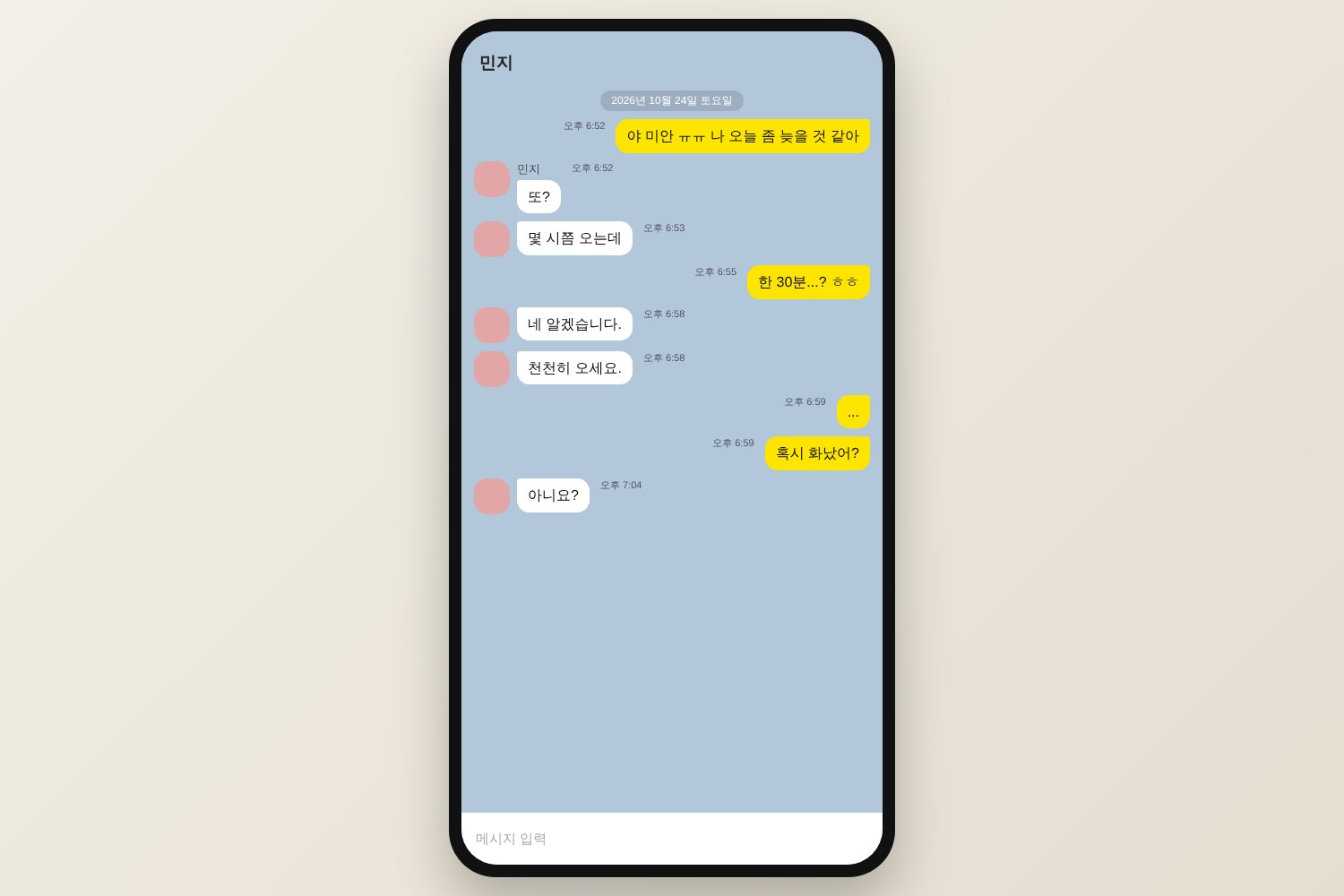
Why did my Korean friend suddenly switch to 존댓말? How to read the polite-speech plot twist
When a Korean friend or partner who speaks 반말 with you suddenly goes polite, it can mean anger, sarcasm, a joke, a boss or parent in the room, a formal setting or just a texting habit. Here's how to tell which one, and what to say back.

반말
When is it OK to speak 반말? The unwritten rules of dropping formality
Who gets to say 'let's drop the formal speech', why same-age friends switch in seconds, why ordering coffee in 반말 is a small act of 갑질, why a sudden return to polite speech is a cold signal, and how Korea's offices are rewriting the rules.

돌려 말하기
Why Koreans rarely say 'no' directly (and how to hear it anyway)
"I'll think about it." "That might be a little difficult." In Korea these often mean no. Why many Koreans avoid being blunt, the phrases that carry a hidden answer, the 회식 you 'can' skip, and how to say no yourself without causing offense.

1차 2차 3차
1차, 2차, 3차… and 4차 at dawn: how a Korean night out unfolds, round by round
What 1차, 2차 and 3차 mean, what usually happens in each round (barbecue, chicken and beer, karaoke, the orange street tent), how to survive the noraebang, why the night ends with hangover soup, how the long night is fading, and how to go home without starting a negotiation.

먼저 일어나보겠습니다
먼저 일어나보겠습니다: how to leave a Korean gathering early without making it awkward
Why leaving a Korean dinner or drinking night early feels so loaded, when slipping out quietly works (and when it really doesn't), the excuses nobody questions, the exact phrases, who to say goodbye to first, settling your share, the last train as a sacred exit, and the text you send afterwards.
단톡방
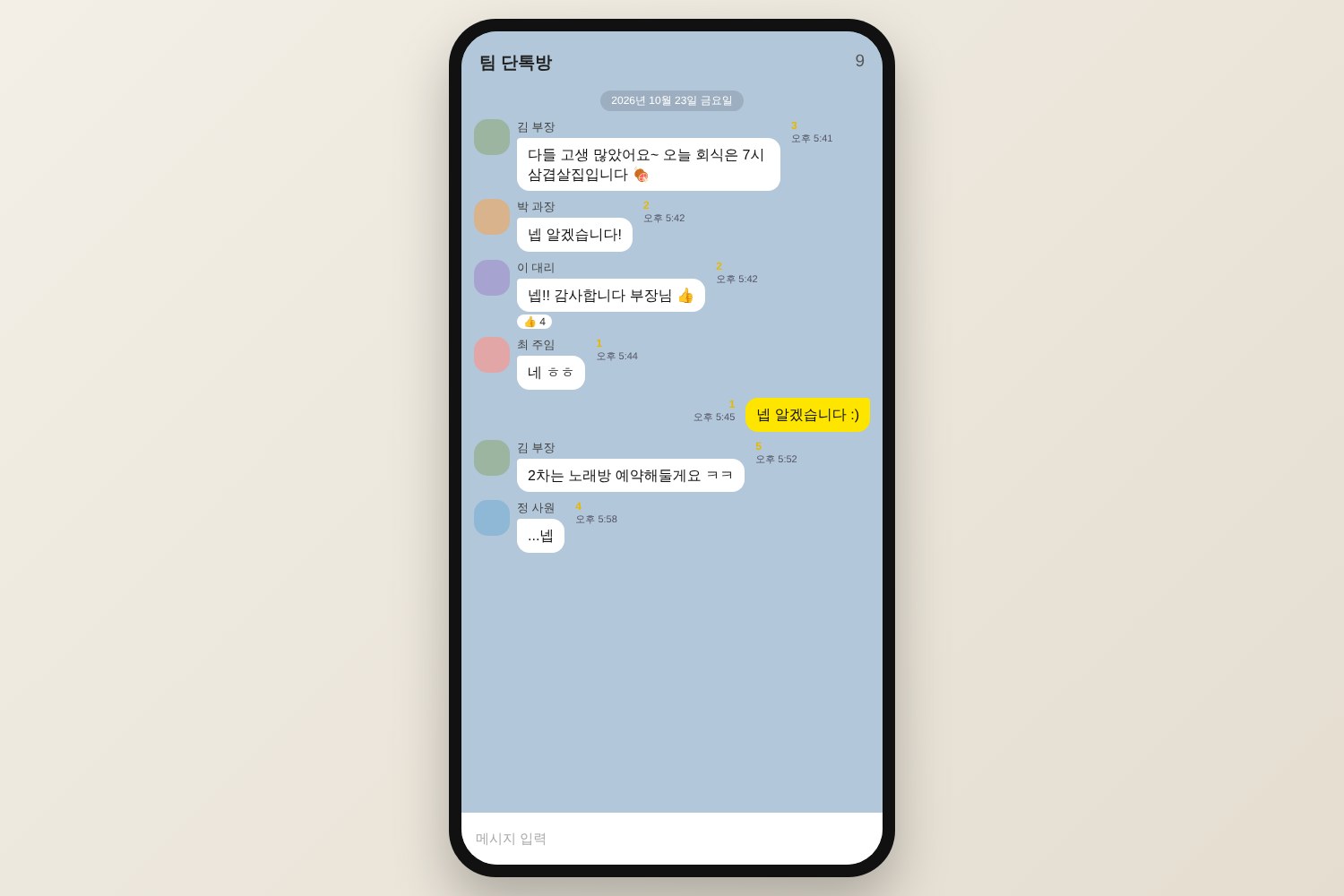
Your first Korean group chat: KakaoTalk read receipts, reactions and the art of silence
How the KakaoTalk 단톡방 works: the unread '1', 읽씹 vs 안읽씹, ㅋㅋㅋ vs ㅎㅎ, paid emoticons, work chats after hours and the right-to-disconnect debate, family good-morning images, reactions, leaving quietly and the polite habits that keep you out of trouble.

팔짱 끼기
Why Korean friends hold hands and link arms (and why it isn't romantic)
Female friends arm in arm, male friends draped over each other's shoulders, mothers and daughters holding hands: what Korean friendship touch means, why it surprises Westerners, why your hug might surprise Koreans, and how it's changing.

언제 밥 한번 먹자
'Let's grab a meal sometime': is a Korean invitation real?
언제 밥 한번 먹자 is the most famous friendly lie in Korea. How to tell a warm goodbye from a real invitation, what a 집들이 housewarming involves (and why people bring toilet paper), and how to turn 'sometime' into an actual date.
