Friends & Social Life · 나이
Why Koreans ask your age before your name (and what they do with the answer)
It isn't nosiness. Knowing who is older helps Koreans decide how to talk to you. The hidden grammar of a first meeting, the 'fast birth year' headache, the tteokguk that makes you a year older, and what changed when Korea dropped 'Korean age' in 2023.
Read the story

Words · 체면
Chemyeon (체면): why saving face can make a Korean apology so complicated
What 체면 means, why Koreans spend money and energy to keep it, how it shapes criticism at work, gifts and weddings, and how to apologise to a Korean (or correct one) without making anyone lose face.

Holidays & Rituals · 돌잔치
Doljanchi: the Korean first-birthday party where a one-year-old picks their future
Why Koreans throw a huge party for a baby's first birthday, what's on the traditional table, what each item in the doljabi grab means, how a modern doljanchi runs, and what to give now that a gold ring costs as much as a laptop.
Words · 괜찮아요
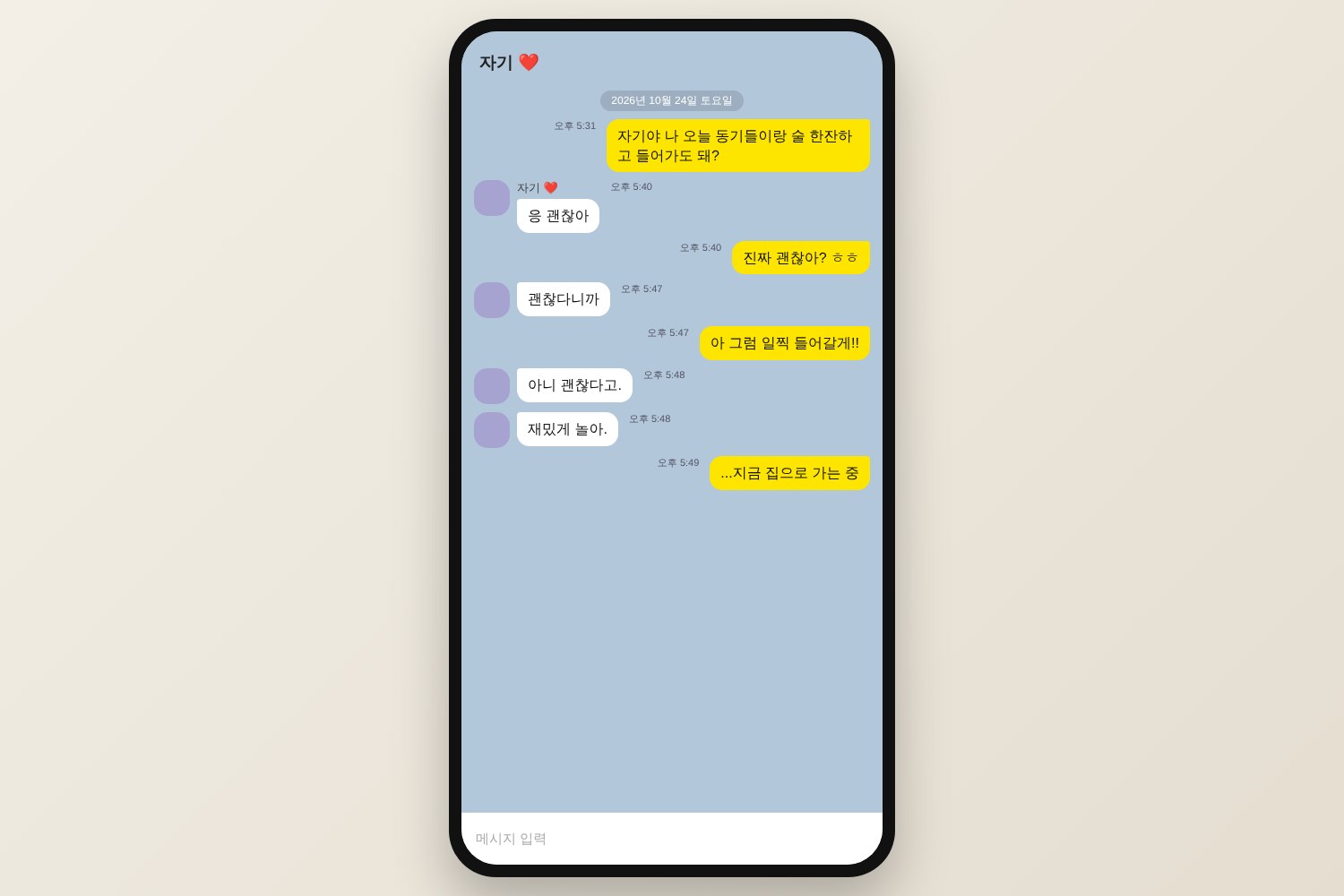
괜찮아요: the most confusing 'it's fine' in Korean
No thanks. I'm okay. Don't worry about it. Please offer again. Not fine at all. How one Korean word covers every one of these, how tone and context tell them apart, what 괜찮아? means between friends, and what to say back.

Family · 효
효 (hyo): duty to parents in a country with one of the world's lowest birth rates
What 효 (filial piety) really means to Koreans, from Confucius and the tale of Sim Cheong to weekly phone calls, cash for parents, Parents' Day carnations and a 2007 law, and why a generation squeezed between aging parents and expensive kids is rewriting the rules.
Words · 정
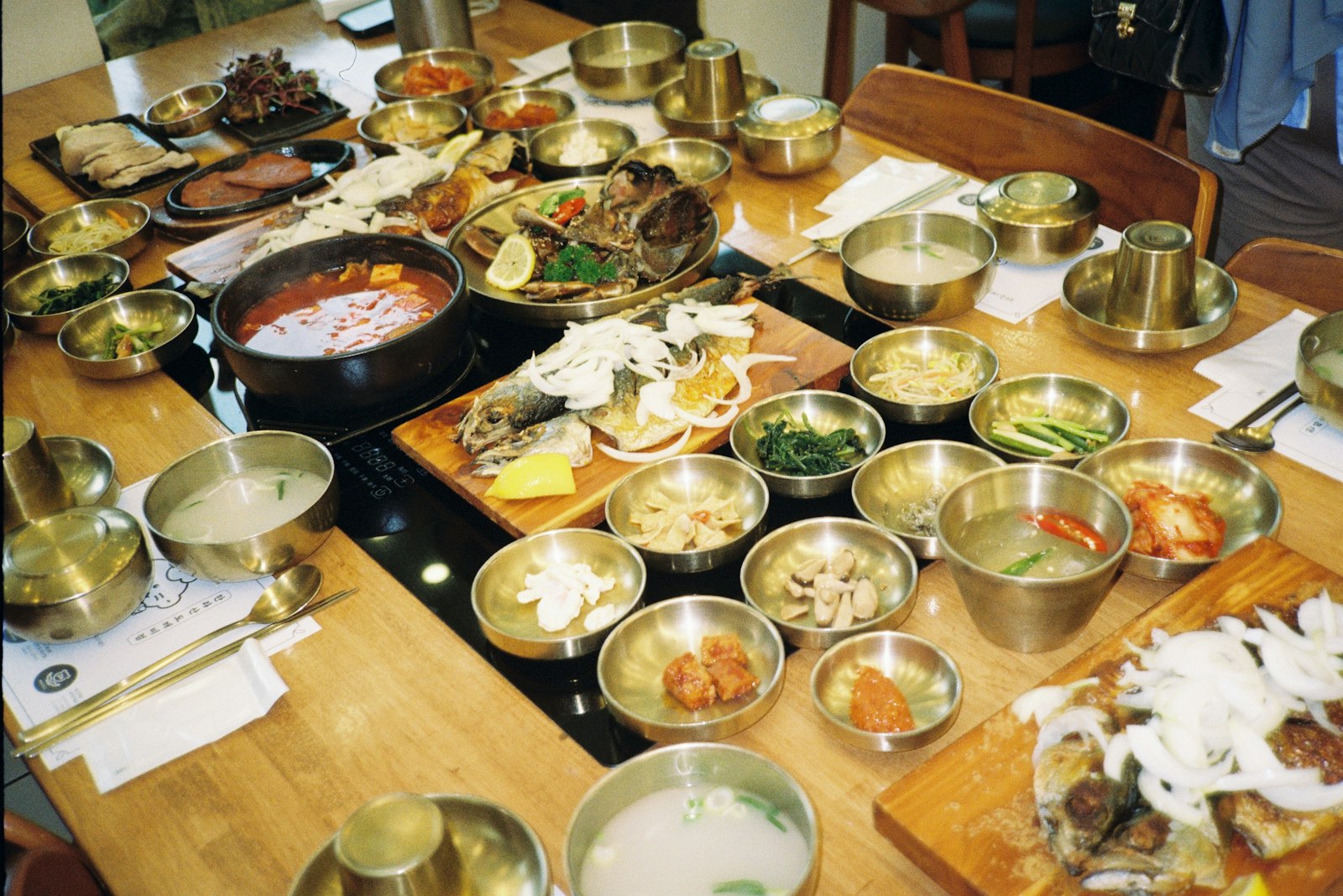
Jeong: the sticky Korean feeling English has no word for
What jeong (정) is, why Koreans say they share 'hateful jeong and lovely jeong', how it shows up in extra side dishes, market freebies, Choco Pies and neighbors' Tupperware, how it builds over time, and how a foreigner can earn it (and lose it).
Holidays & Rituals · 제사
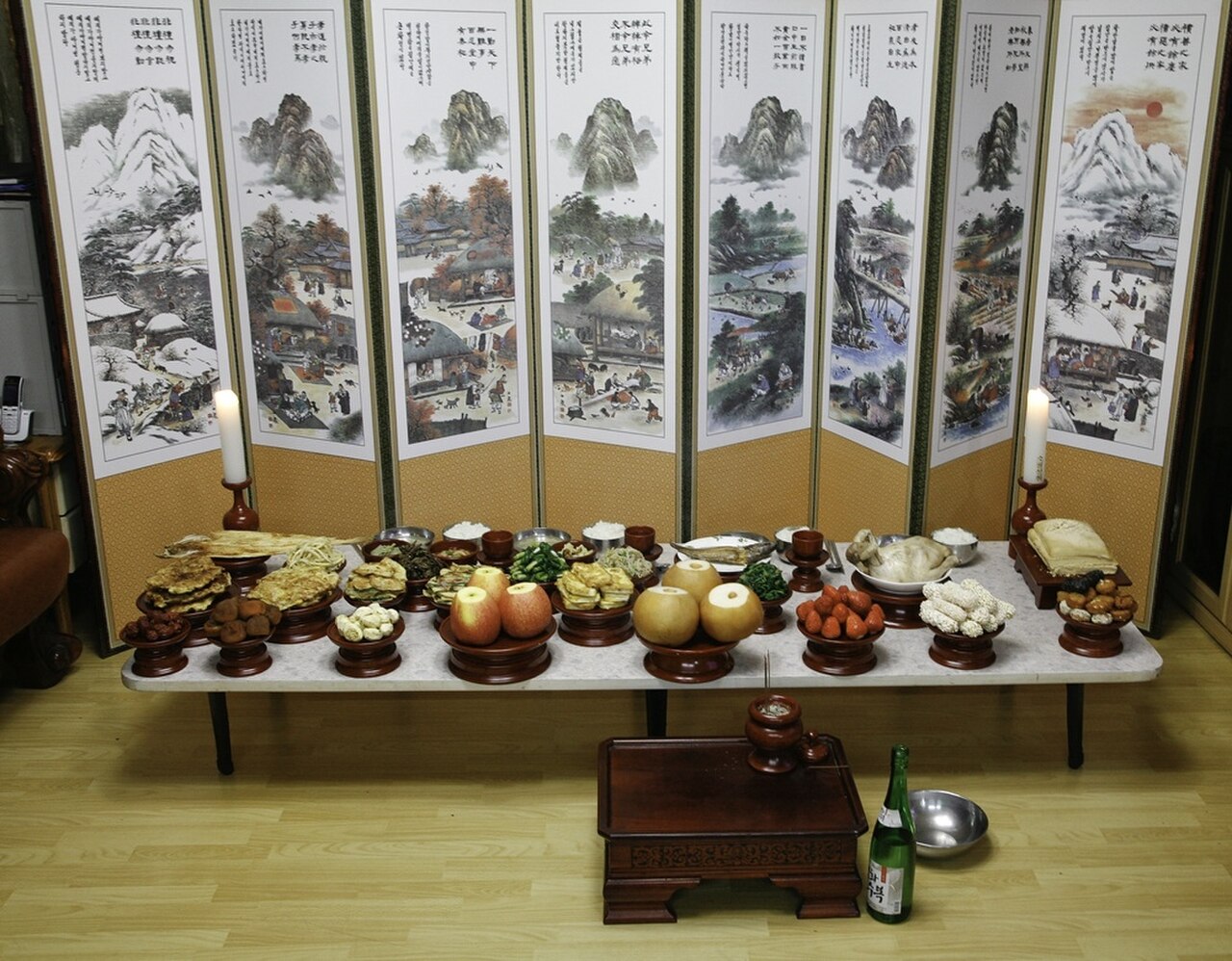
제사: Korean ancestral rites, and why so many families are simplifying them
What 제사 and 차례 are, why the table has so many rules (and which ones Korea's Confucian headquarters says you can drop), how the bowing works, who ends up frying all that jeon, and what to do if you're invited to one.
Nobody tells you the meeting is over. A chair shifts, the talk turns to traffic, and everyone stands at once except you. How good is your nunchi? Ten real situations, and the reason behind every answer.
Take the nunchi quiz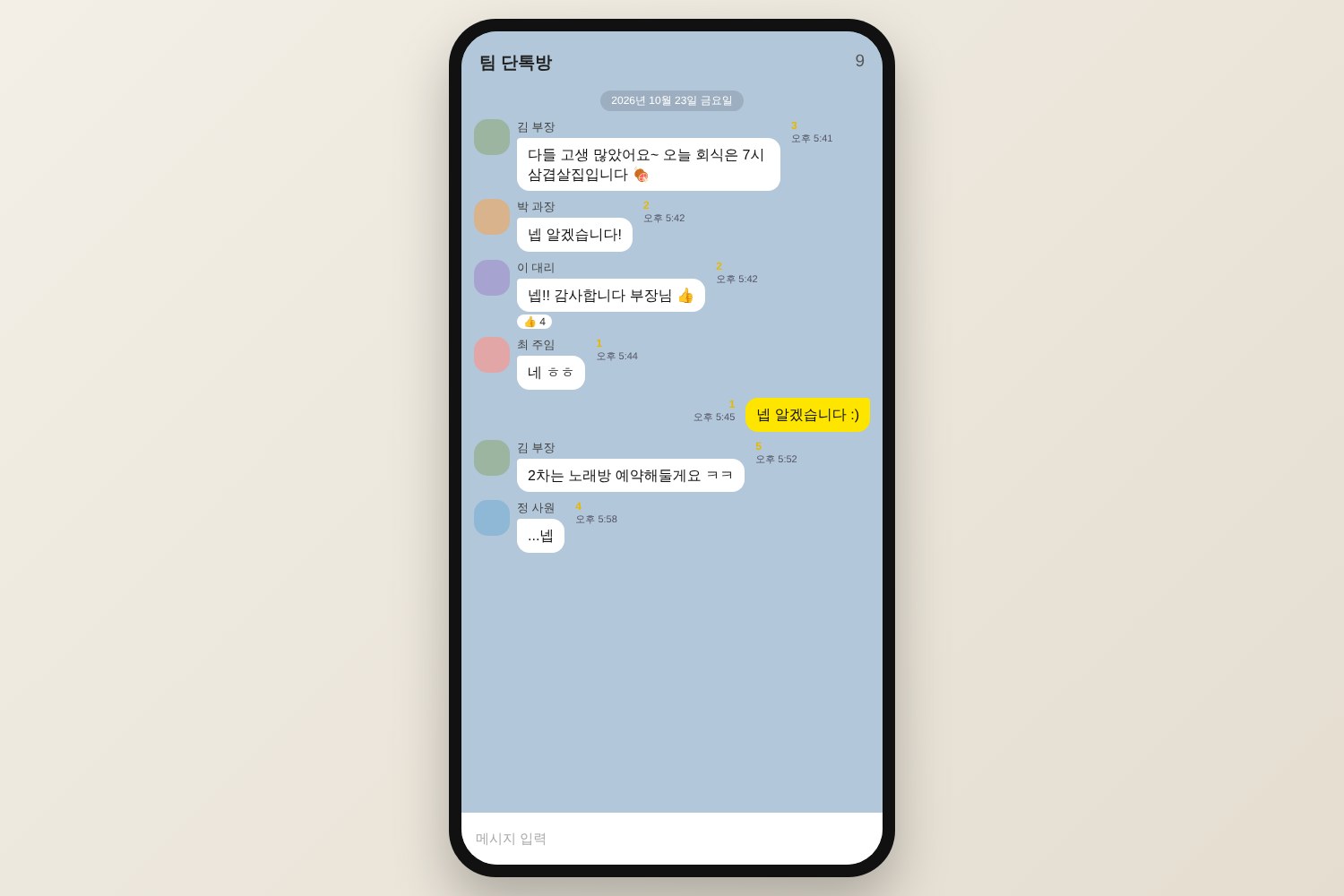
Friends & Social Life · 단톡방
Your first Korean group chat: KakaoTalk read receipts, reactions and the art of silence
How the KakaoTalk 단톡방 works: the unread '1', 읽씹 vs 안읽씹, ㅋㅋㅋ vs ㅎㅎ, paid emoticons, work chats after hours and the right-to-disconnect debate, family good-morning images, reactions, leaving quietly and the polite habits that keep you out of trouble.
Work · 칼퇴
칼퇴: leaving work on time in Korea, the 52-hour week and the MZ generation
What 칼퇴 (leaving exactly on time) means, the old rule of never leaving before the boss, how 야근 culture grew, the 52-hour cap, the 2023 '69-hour week' backlash, quiet quitting, the AirPods debate, and the 4.5-day week pilots.

Work · 꼰대
Kkondae (꼰대): the Korean boss who won't stop lecturing
What 꼰대 means, where the word came from, why 'Latte is horse' is a joke every Korean office understands, the rise of the 'young kkondae', and how to deal with one (or avoid becoming one).

Dating & Marriage · 소개팅
소개팅: how blind dates work in Korea (and what '착해' really means)
How Korean blind dates work: the friend who sets you up, the photo exchange, the KakaoTalk pre-chat, the meal-then-café script, who pays, the 애프터 and the polite 'not a match' text, plus 미팅, 맞선 and how apps are changing it.

Work · 비즈니스 매너
Korean business etiquette for your first meeting: cards, bows, seats and the dinner after
How to exchange business cards the Korean way, who to bow to and what to call them, where to sit (and stand in the elevator), how to read a polite Korean 'maybe', what happens at the dinner afterwards, and the anti-graft law that caps meals and gifts.

Family · 교육열
Why Korean parents spend so much on education: 교육열, explained
What Koreans mean by 교육열 (education fever), where it comes from, what hagwon life and Daechi-dong are really like, how much families spend, the 10 p.m. hagwon curfew, the '4-year-old exam' ban, goose dads, SKY universities, and what is starting to change.

Friends & Social Life · 팔짱 끼기
Why Korean friends hold hands and link arms (and why it isn't romantic)
Female friends arm in arm, male friends draped over each other's shoulders, mothers and daughters holding hands: what Korean friendship touch means, why it surprises Westerners, why your hug might surprise Koreans, and how it's changing.

Holidays & Rituals · 조문
Korean funeral etiquette: what to wear, how to bow, how much to give and what to say
A calm, step-by-step guide to paying respects at a Korean funeral hall: the three-day funeral, the black clothes, the incense or chrysanthemum, the two bows, the envelope (부의금), the meal, and the words that help (and the ones that don't).

Work · 회식
회식: the Korean team dinner you 'can' skip (but should you?)
What a Korean 회식 (team dinner) is, who pays, how the rounds work, the boss's toast and the youngest's jobs, what 'optional' really means, how the law and a new generation have changed it, and how to leave early without making it weird.

Friends & Social Life · 군대
Korean military service explained: who serves, how long, and why it matters so much to Korean men
Why almost every Korean man spends 18 to 21 months in uniform, what 군필 and 미필 mean, why 'army stories' are a national running joke, how the BTS exemption debate split the country, and what to say (and not say) to a Korean friend, boyfriend or coworker about it.
