돌려 말하기 Saying it without saying it
Why many Koreans avoid a blunt "no" and how meaning hides in hints.

Words · 체면
Chemyeon (체면): why saving face can make a Korean apology so complicated
What 체면 means, why Koreans spend money and energy to keep it, how it shapes criticism at work, gifts and weddings, and how to apologise to a Korean (or correct one) without making anyone lose face.
Words · 괜찮아요
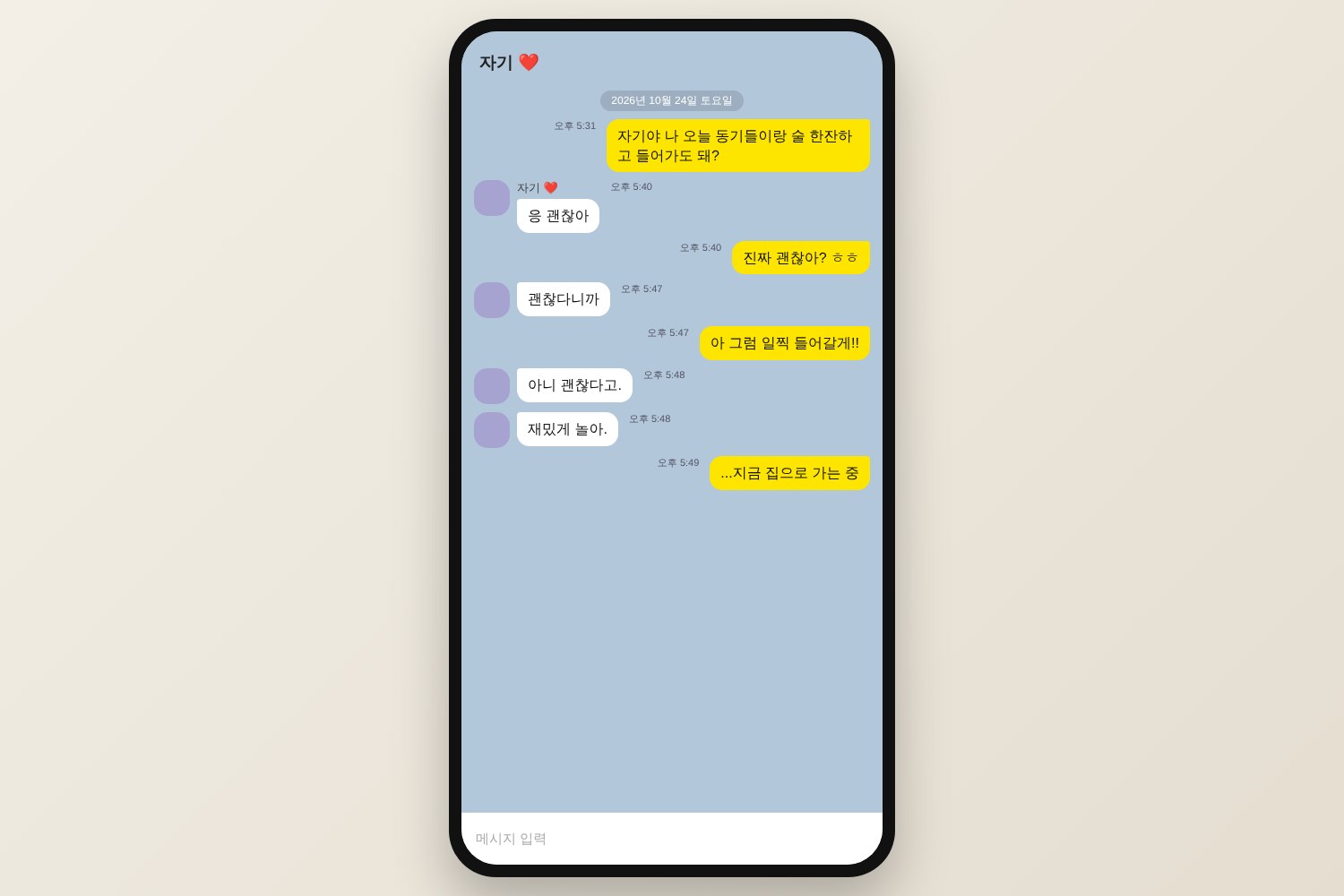
괜찮아요: the most confusing 'it's fine' in Korean
No thanks. I'm okay. Don't worry about it. Please offer again. Not fine at all. How one Korean word covers every one of these, how tone and context tell them apart, what 괜찮아? means between friends, and what to say back.
Words · 정
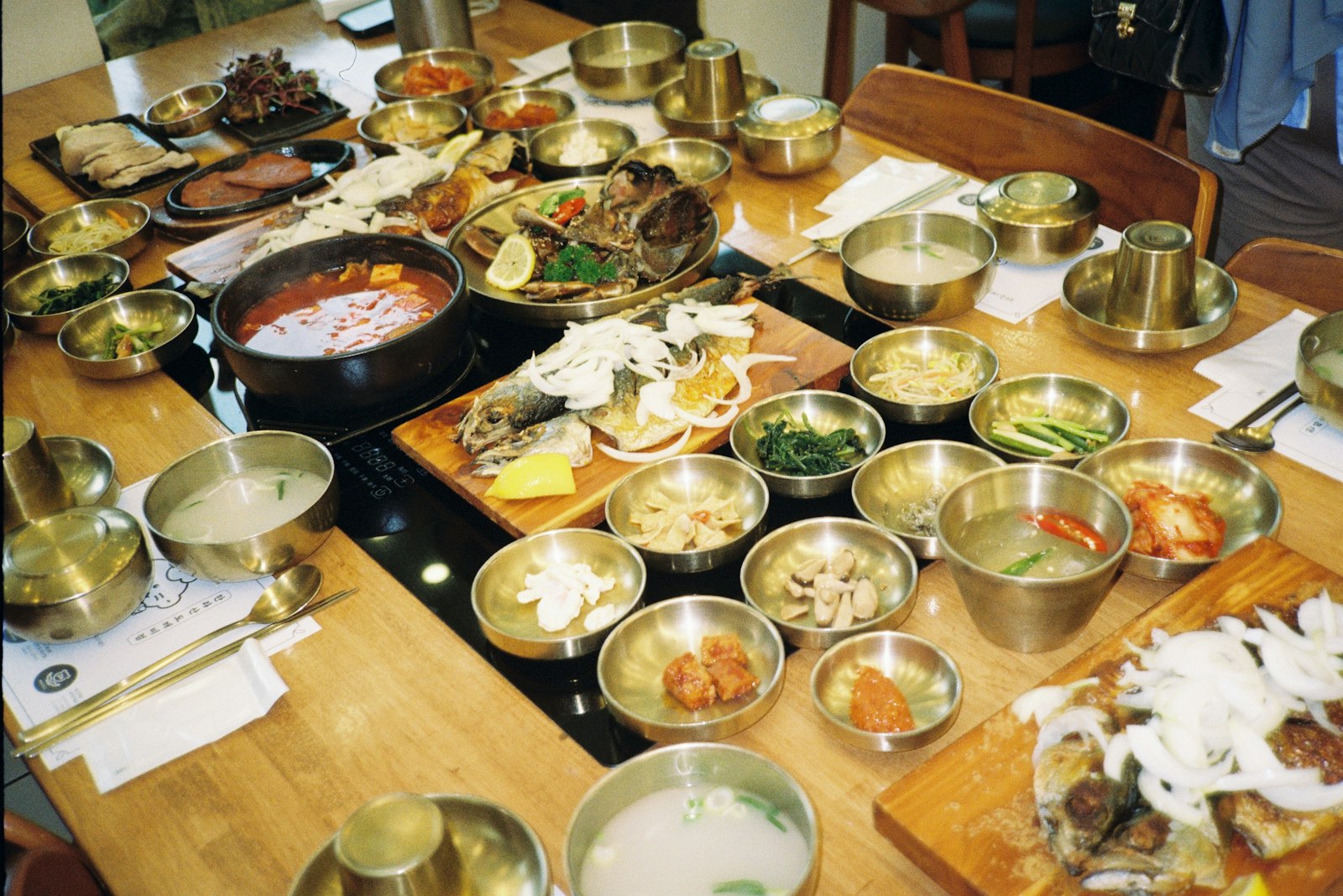
Jeong: the sticky Korean feeling English has no word for
What jeong (정) is, why Koreans say they share 'hateful jeong and lovely jeong', how it shows up in extra side dishes, market freebies, Choco Pies and neighbors' Tupperware, how it builds over time, and how a foreigner can earn it (and lose it).

Dating & Marriage · 소개팅
소개팅: how blind dates work in Korea (and what '착해' really means)
How Korean blind dates work: the friend who sets you up, the photo exchange, the KakaoTalk pre-chat, the meal-then-café script, who pays, the 애프터 and the polite 'not a match' text, plus 미팅, 맞선 and how apps are changing it.

Work · 비즈니스 매너
Korean business etiquette for your first meeting: cards, bows, seats and the dinner after
How to exchange business cards the Korean way, who to bow to and what to call them, where to sit (and stand in the elevator), how to read a polite Korean 'maybe', what happens at the dinner afterwards, and the anti-graft law that caps meals and gifts.

Public & Everyday Life · 이웃사촌
When a Korean neighbor leaves food at your door: the unwritten rules of apartment life
Moving-in rice cake, the plate you must never return empty, floor-noise apology notes with snacks attached, elevator greetings, the 반상회 and the apartment group chat. How Korean neighbor culture works, how it has thinned out, and what to do when the doorbell rings with a plate of jeon.

Friends & Social Life · 먼저 일어나보겠습니다
먼저 일어나보겠습니다: how to leave a Korean gathering early without making it awkward
Why leaving a Korean dinner or drinking night early feels so loaded, when slipping out quietly works (and when it really doesn't), the excuses nobody questions, the exact phrases, who to say goodbye to first, settling your share, the last train as a sacred exit, and the text you send afterwards.

Friends & Social Life · 언제 밥 한번 먹자
'Let's grab a meal sometime': is a Korean invitation real?
언제 밥 한번 먹자 is the most famous friendly lie in Korea. How to tell a warm goodbye from a real invitation, what a 집들이 housewarming involves (and why people bring toilet paper), and how to turn 'sometime' into an actual date.
Friends & Social Life · 존댓말
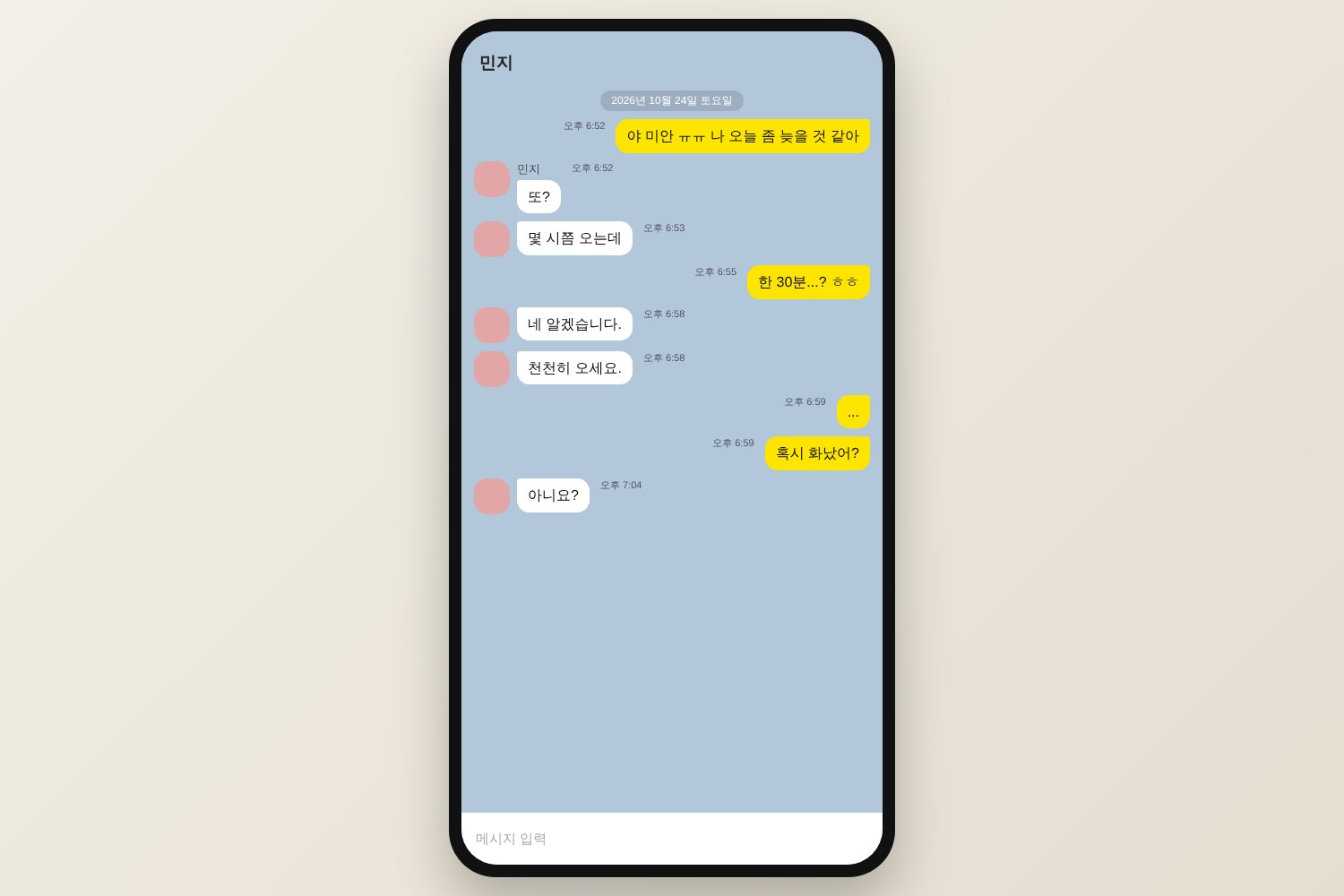
Why did my Korean friend suddenly switch to 존댓말? How to read the polite-speech plot twist
When a Korean friend or partner who speaks 반말 with you suddenly goes polite, it can mean anger, sarcasm, a joke, a boss or parent in the room, a formal setting or just a texting habit. Here's how to tell which one, and what to say back.

Dating & Marriage · 연애
Dating a Korean boyfriend: the unwritten rules (and the K-drama myths)
Why he walks you to your door and texts 'did you get home?', the confession, nonstop KakaoTalk, who pays, 'oppa', the army, his parents and the drama clichés. What dating a Korean man is often like, why, and what's changing.

Dating & Marriage · 연애
Dating a Korean girlfriend: the unwritten rules (and the ones you can ignore)
'Did you eat?', '서운해', '아무거나', 100 days, couple photos, who pays, 'oppa', her friends' verdict and her parents. The Korean dating habits worth knowing, why they exist, and how to talk about them without stereotypes.

Food & Table · 밥 먹었어?
Why Koreans say 'Have you eaten?' instead of hello
"밥 먹었어?" isn't really about lunch. How a greeting shaped by hungry decades became Korea's way of saying 'I care about you', how to answer it, and the other food phrases that hide feelings.

Words · 눈치
Nunchi: the Korean sixth sense, explained in six everyday scenes
Nunchi (눈치) is the skill of reading a room before anyone speaks. What it means, the phrases built around it, six everyday scenes where you'll need it in Korea, why Korea runs on it, what the research says, its stressful side, and how to build your own.

Friends & Social Life · 돌려 말하기
Why Koreans rarely say 'no' directly (and how to hear it anyway)
"I'll think about it." "That might be a little difficult." In Korea these often mean no. Why many Koreans avoid being blunt, the phrases that carry a hidden answer, the 회식 you 'can' skip, and how to say no yourself without causing offense.